
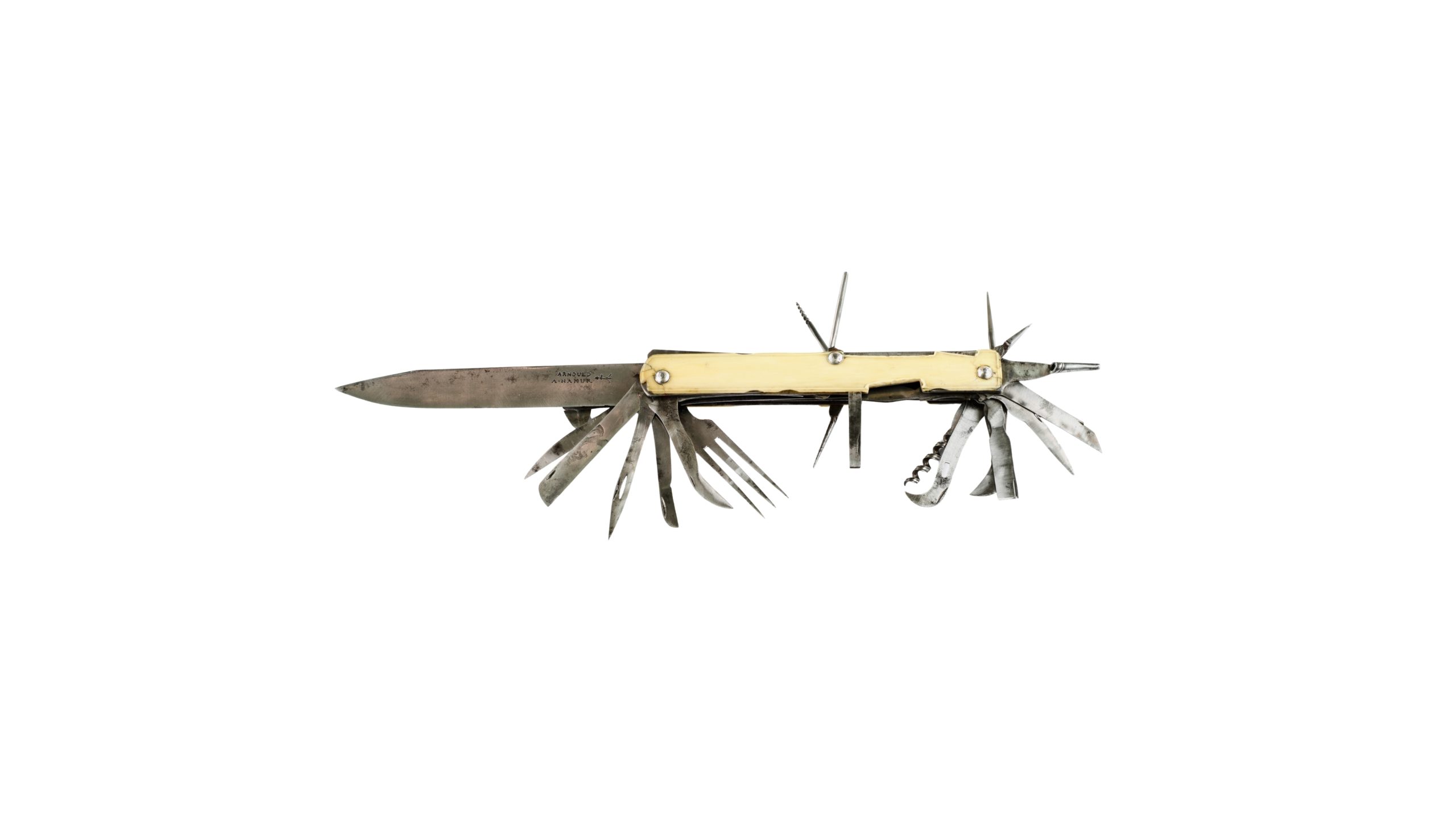
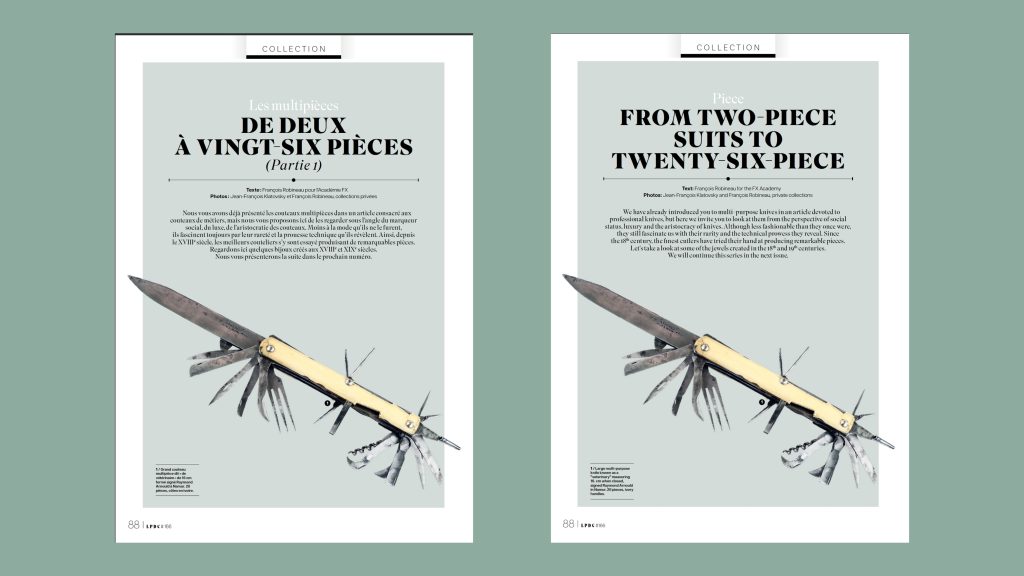
The most fascinating stories in the world of cutlery can’t always be told in just a few pages. Throughout its issues, *La Passion des Couteaux* explores themes that deserve to be rediscovered and shared. Today, we look back at an article on multi-piece knives, published in issue 166 of the magazine.
Although less fashionable than they once were, multi-piece knives still fascinate people because of their rarity and the technical mastery they showcase. Since the 18th century, the finest cutlers have taken on this challenge, creating exceptional pieces that showcase their ingenuity and craftsmanship.
Continue reading the digital version:
Multi-purpose knives: a blend of practicality and prestige
Multi-piece folding knives hold a special place in the history of cutlery. Much more than mere tools, they have, over time, become true symbols of social status and refinement. First appearing mainly in the 18th century, this category of knives underwent significant development in the 19th and early 20th centuries. Although less common today than single-blade knives, they continue to fascinate enthusiasts and collectors due to their rarity, technical complexity, and the quality of the craftsmanship of the artisans who created them.
The Emergence of the Pocket Knife and Its Evolution
The history of the folding knife is closely linked to that of the pocket, which first appeared in the Middle Ages and was incorporated into men’s clothing beginning in the late 17th century. Before that time, straight knives were generally carried in sheaths attached to the belt. With the rise of sewn-in pockets, folding knives became more convenient to carry and gradually established themselves as everyday items. They thus became a distinctive feature of men’s fashion and met the mobility needs of their users.
Luxury items sought after by the elite
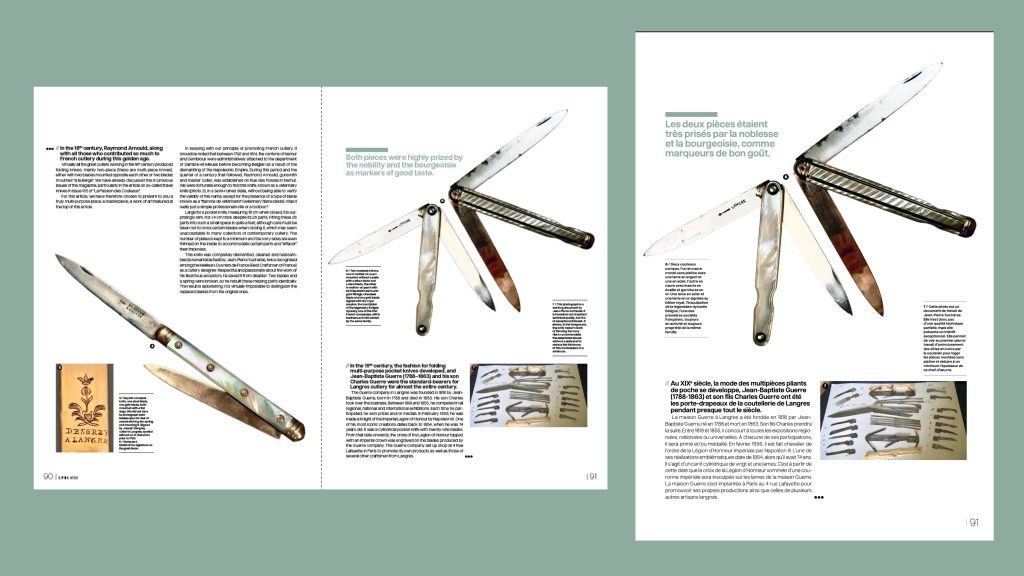
Certain multi-piece models were particularly popular among the nobility and the bourgeoisie. Two-piece knives, notably the “à la Berge” models or those with opposing blades, combined functionality and elegance. They often featured a steel blade and a second blade made of silver or gold, materials resistant to corrosion. Easy to carry, these knives were also symbols of good taste and social distinction. The examples that have survived to this day are rare and are now highly sought after by collectors and specialized museums.
The Great Master Cutlers of the 18th and 19th Centuries
The article highlights several major figures in the cutlery trade. In the 18th century, Raymond Arnould distinguished himself by crafting multi-piece knives of remarkable complexity, notably a famous knife known as the “veterinarian’s knife.” In the 19th century, Jean-Baptiste Guerre and later his son Charles contributed to the renown of Langres cutlery. Awarded prizes at numerous exhibitions and decorated with the Legion of Honor, Jean-Baptiste Guerre notably created a cylindrical pocket knife featuring twenty-one blades. These artisans exemplify the technical and artistic excellence of a French cutlery tradition whose legacy lives on today.
Further Reading
This article is also available in digital format, in French and English.
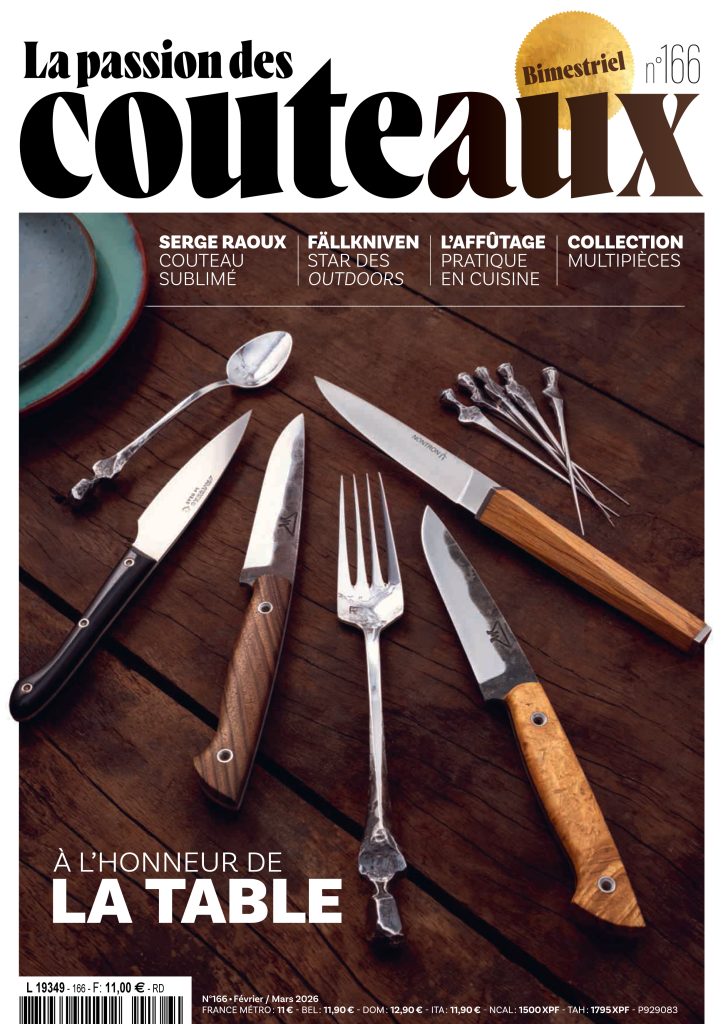
Issue 166 of *La Passion des Couteaux* is now available for order. You can also explore the various subscription options to receive each new issue of the magazine.
Learn about subscriptions | Order Issue 166
Credits
Written by: François Robineau, president of the Académie FX, which promotes knowledge of fine cutlery through the website www.academiefx.com.
Photographs: François Klatovsky


